

Sport Psychology
Strengthening the Mental Game for Lasting Success
Sport psychology uses evidence-based strategies to help athletes optimize performance, manage pressure, and enjoy the game again. It focuses on strengthening the mental and emotional skills that support success—not just in sport, but in life.
Are you...
Performing better in practice than in competition?
Feeling anxious before events, or freezing under pressure?
Dwelling on mistakes, losing focus, or struggling to reset?
A strong athlete who knows there’s still more in you?
Even high-performing athletes can find their mindset getting in the way. Whether it’s pre-competition nerves, perfectionism, frustration, or fear of failure, the mental load can impact confidence, consistency, and joy.
With decades of experience as a licensed psychologist—and a background as a competitive athlete myself—I help athletes strengthen the mental side of their game.
Together, we’ll work on strategies to quiet self-doubt, sharpen focus under pressure, and reconnect with the confidence and passion that fuel peak performance.
Sport psychology sessions are available for high school, collegiate, and adult athletes, both in person and remotely.
-
Sport psychology focuses on the mental side of performance—helping athletes strengthen focus, manage pressure, build confidence, and enjoy their sport more fully.
It combines research-backed psychological strategies with practical tools like mental preparation, goal-setting, emotional regulation, and recovery after setbacks.
Athletes at all levels—youth, collegiate, recreational, and professional—can benefit from training the mind as intentionally as they train the body.
-
Sport psychology sessions are tailored to your unique performance goals and challenges. Together, we’ll identify your strengths, uncover areas for growth, and set clear, purposeful goals—both on and off the field.
Areas We May Focus On:
Sharpening Mental Focus
Increasing concentration and intensity
Tuning out distractions
Managing pre-game routines and preparation
Managing Pressure and Emotions
Reducing performance anxiety
Regulating arousal levels for optimal performance
Recovering quickly from mistakes or setbacks
Building Resilience and Confidence
Coping with loss, injury, or failure
Staying grounded in high-stress moments
Strengthening self-belief and inner confidence
Whether you're preparing for a major event, returning after an injury, or simply want to enjoy the game again, we’ll work together to help your mind become an asset—not an obstacle—in your performance.
-
I'm not just a psychologist—I'm a lifelong athlete who understands the mental and physical demands of sport from the inside out.
I played women’s professional football for four years, quarterbacking for the three-time World Champion Houston Energy from 2000 to 2003. Today, I continue to enjoy a wide range of sports as both a player and a fan.
In addition to my private practice work with athletes, I’ve consulted for sports medicine clinics, athletic performance centers, and competitive training facilities.
These experiences, combined with my athletic background and ongoing clinical work, allow me to support athletes with both insight and empathy—because I’ve been there, too.

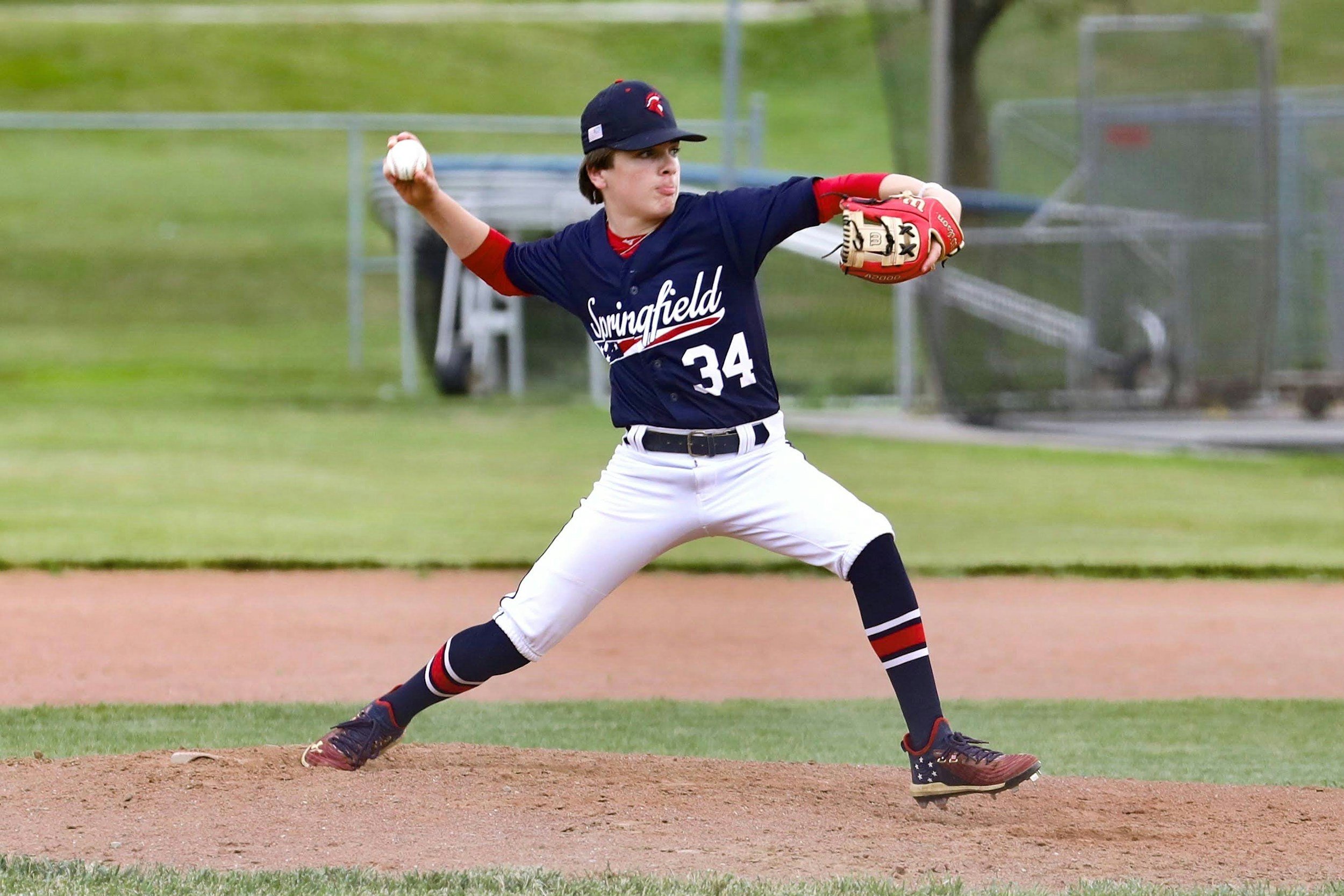
Student Athletes
High school and college athletes face unique challenges—balancing academics, team dynamics, identity development, and the intense pressure to perform.
I help student athletes:
Manage nerves before competition
Build confidence and self-belief
Cope with setbacks, injuries, and comparison
Maintain balance in high-demand environments
Sport psychology can be a turning point—not just in your performance, but in how you see yourself as an athlete and as a whole person.


Teams & Coaches
Team consultations and coaching support are available for athletic programs, clubs, or coaches who want to build a stronger mental culture. Topics include:
Communication and trust
Resilience after failure
Managing pressure as a team
Supporting athlete mental health
Coaching the mental side of the game helps your athletes stay focused, coachable, and connected to their purpose—especially under pressure.
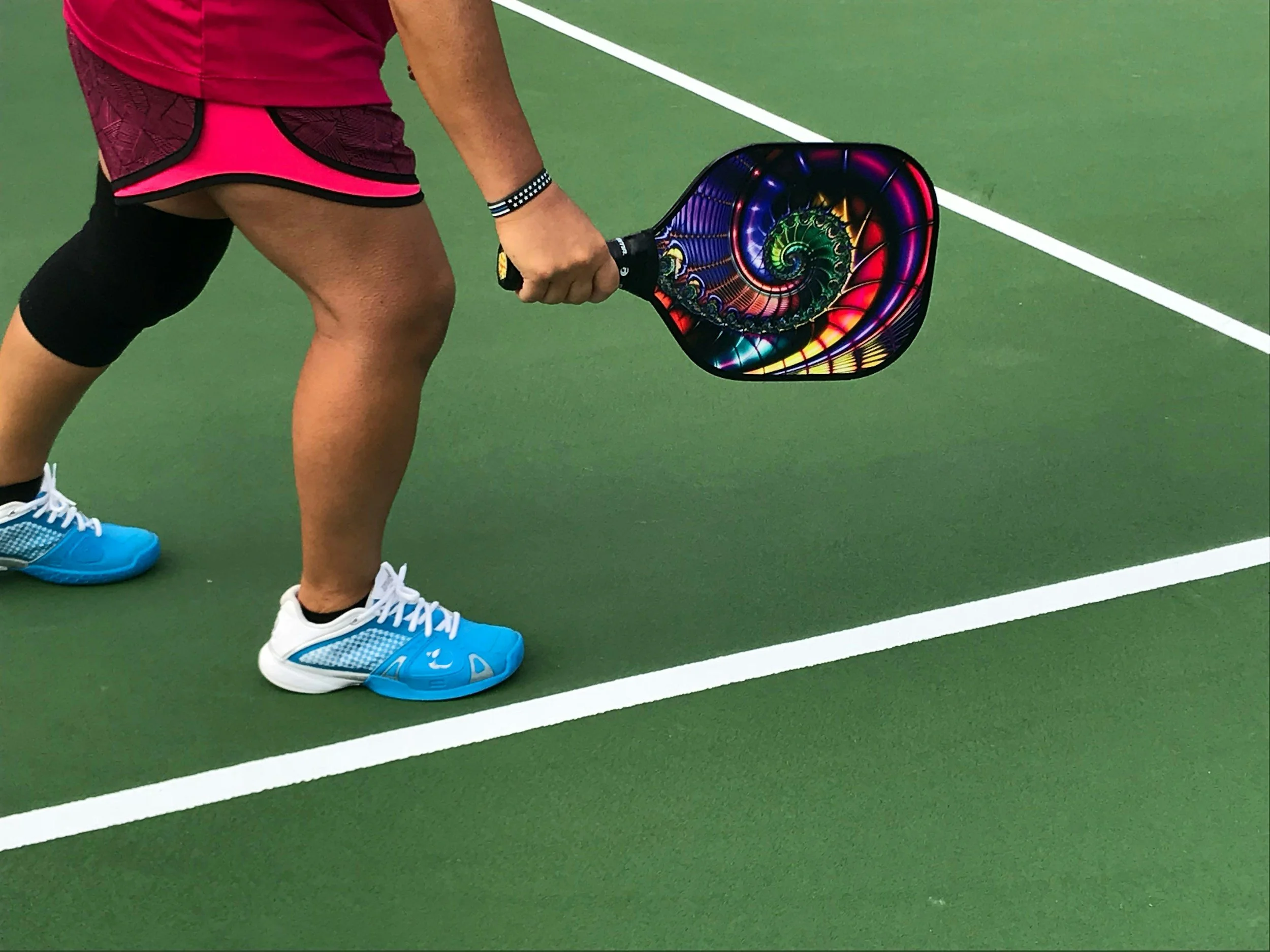
Mental Performance for Pickleball Athletes
Pickleball is fast-paced, strategic, and surprisingly psychological. Whether you're competing at a high level or just want to play your best more consistently, mental focus can be the difference between frustration and flow.
Do you find yourself overthinking during games?
Getting tight or tentative during key points?
Losing confidence after a few unforced errors?
Struggling to reset mentally when things go sideways?
Even experienced athletes can find their performance disrupted by nerves, pressure, or a noisy inner critic. I work with pickleball players to strengthen focus, recover quickly from mistakes, and stay present in the point—not stuck in the last one.
Together, we’ll develop tools to:
Stay grounded in fast-paced match play
Manage self-talk and emotional regulation
Build mental routines that support consistency
Reconnect with the enjoyment and challenge that brought you to the game in the first place
Whether you’re playing for medals or personal growth, sport psychology can help you play with more confidence, presence, and resilience.


Dr. K Knows the Game, Because She’s Played It
Dr. Kristin Anderson competed professionally in the Women’s Professional Football League with the Houston Energy, playing quarterback and helping lead the team to three consecutive National Championships in 2000, 2001, and 2002. Known for her grit, athletic intelligence, and resilience—on and off the field—she remains an active athlete today, competing in pickleball and women’s golf leagues.
With firsthand experience in both individual and team sports at elite levels, Dr. Anderson understands the mental and emotional demands athletes face. Whether it's the pressure of performance, recovery from injury, navigating team dynamics, or finding identity beyond sport, she brings deep empathy, lived experience, and sharp insight to her work with athletes.
